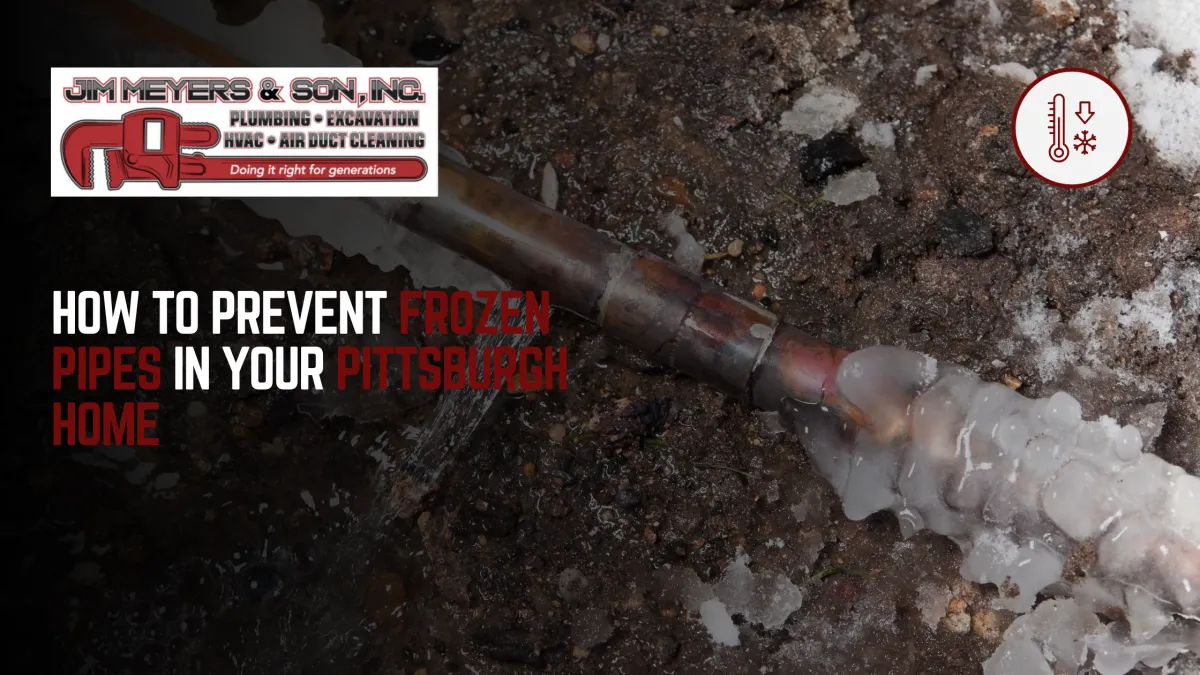
How to Prevent Frozen Pipes in Your Pittsburgh Home
Few plumbing emergencies cause as much damage as a burst pipe. When water freezes inside your pipes, it expands with enough force to split copper, crack PVC, and rupture even the strongest fittings. A single burst pipe can release hundreds of gallons of water per hour, causing thousands of dollars in damage to floors, walls, and personal belongings. Here's what Pittsburgh homeowners need to know to protect their plumbing when temperatures drop.
Which Pipes Are Most at Risk?
Not all pipes face the same threat. The most vulnerable are those in unheated or poorly insulated areas:
•Pipes in exterior walls, especially on the north side of your home
•Supply lines in unheated garages, basements, and crawl spaces
•Outdoor hose bibs and sprinkler supply lines
•Pipes running through uninsulated attic spaces
•Kitchen and bathroom pipes on exterior walls, particularly under sinks
Preparation Steps Before Cold Weather Hits
Disconnect and Drain Outdoor Hoses
Leaving a hose connected traps water in the hose bib, which can freeze and crack the fixture or damage supply lines inside your wall. Disconnect all hoses, drain them, and store them in a garage or shed. If you have frost-free hose bibs, they'll still work properly only if the hose is disconnected.
Insulate Exposed Pipes
Pipe insulation is inexpensive and easy to install. Foam sleeves slip right over pipes and can be secured with tape. Focus on any pipes in unheated areas—garages, crawl spaces, and along exterior walls. For pipes that have frozen before, consider adding heat tape underneath the insulation for extra protection.
Seal Gaps and Cracks
Cold air can enter your home through gaps where pipes penetrate exterior walls. Check around electrical wiring, dryer vents, and pipe penetrations. Use caulk for small gaps and expanding foam for larger openings. This keeps cold air away from your pipes while also improving your home's overall energy efficiency.
What to Do During a Cold Snap
When temperatures drop below 20°F—which happens regularly in Pittsburgh from December through February—take these extra precautions:
Let Faucets Drip
Running water, even at a trickle, is much harder to freeze than standing water. During extreme cold, let cold water drip from faucets served by exposed pipes. Open both the hot and cold handles slightly. Yes, it wastes a little water, but the cost is minimal compared to repairing burst pipe damage.
Open Cabinet Doors
For pipes under kitchen and bathroom sinks on exterior walls, open the cabinet doors to let warm air circulate around the pipes. This is especially important in kitchens where the sink is located under a window.
Keep Your Heat On
If you're leaving town, resist the urge to turn off your heat completely. Keep the thermostat set to at least 55°F. The small amount you save on heating won't come close to covering the cost of water damage from frozen pipes. If you have a smart thermostat, set up temperature alerts so you'll know if your heating system fails while you're away.
What to Do If Your Pipes Freeze
If you turn on a faucet and only a trickle comes out, you likely have a frozen pipe. First, locate your main water shut-off valve so you can turn it off quickly if the pipe bursts. Then, try to thaw the pipe using a hair dryer, heat lamp, or portable space heater. Never use an open flame—it's a fire hazard and can damage the pipe.
Apply heat starting from the faucet and working back toward the frozen section. This allows water to escape as the ice melts. If you can't locate the frozen section, if the pipe is inside a wall, or if you see any signs of cracking or leaking, call a plumber immediately.
Don't Wait for an Emergency
The best time to address frozen pipe risks is before temperatures drop. A professional plumber can identify vulnerable pipes, recommend the right insulation, and install solutions like heat tape for problem areas. If you've had frozen pipes before, that's a sign your system needs attention—the same pipes will freeze again under similar conditions.
Concerned about your pipes this winter? Contact Jim Meyers & Son for a plumbing inspection. We'll identify vulnerable areas and help you protect your home before the next cold snap hits. Serving Oakdale, Moon Township, Robinson, and communities throughout the Pittsburgh Airport area for over 30 years.
